Tonneau Cover vs Camper Shell: Which Fits Your Truck? (October 2026)
In a tonneau cover vs camper shell choice, pick a tonneau for below-rail cargo and frequent open-bed hauling. Choose a shell when taller gear needs an enclosure and you can work within its roof and door openings.
On this page (11 sections)
- Tonneau cover vs camper shell: what is the main difference?
- Which option gives you easier bed access?
- Which protects cargo from weather and theft?
- Which suits commuting, work and camping?
- How do weight, roof loads and clearance affect the choice?
- Is a tonneau cover easier to install and remove?
- Which Ram 1500 option fits your truck?
- What should you choose for a toolbox or other bed setup?
- What care and use mistakes should you avoid?
- How do the three options compare?
- Which should you choose for your truck?
Choose a tonneau cover for below-rail cargo and frequent open-bed hauling, or a camper shell for taller enclosed storage. The tonneau cover vs camper shell decision comes down to what you carry, how you load it and how often the bed needs to be fully open.
A tonneau spans the bed opening. A shell adds walls and a roof, creating more covered height while limiting what you can lower into the bed from above.
The 3 Ram 1500 options below show those tradeoffs. Both tonneaus are soft tri-fold models; the shell is a heavy steel enclosure, so these examples don't represent every material or cover style.
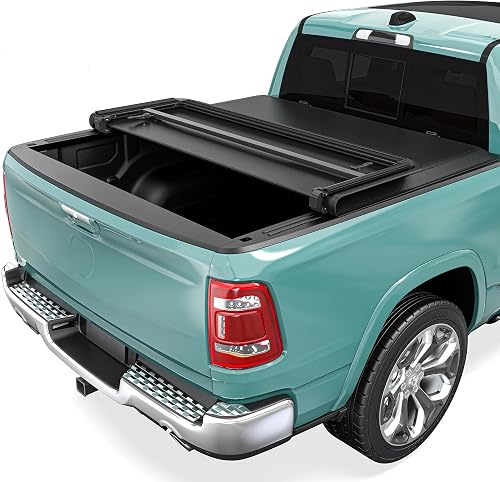
 Best for New Body commuters
Aurorasters Soft Tri-Fold, Ram 1500 5.7 ft
Tonneau cover vs camper shell: what is the main difference?
A tonneau covers the bed at rail level, while a camper shell encloses space above the rails. Choose the shape your regular cargo needs before comparing individual products.
A cover suits groceries, travel bags, folded outdoor gear and boxes that sit beneath it. Measure the tallest item with the bed mat, storage tray or organizer you actually use.
A shell suits equipment that stands above the rails and needs to stay enclosed between stops. Its extra space can also let you separate gear into shelves or bins, provided those accessories fit and are secured properly.
Neither option secures loose cargo by itself. Use the truck's suitable tie-down points and keep heavy items from sliding into the cover, doors or side panels.
If you haven't settled on a cover style, start with our guide to tonneau cover types and how to choose. A folding soft cover is only one way to keep a bed covered.
Which option gives you easier bed access?
A folding tonneau suits loading from above, while a shell with opening side panels suits reaching gear along the bed sides. Picture loading your largest regular item, then retrieving your smallest frequently used tool.
An open tonneau lets you lower items into the exposed bed. Its folded stack still takes up space, so check whether it blocks the front tie-downs or the area a long load needs.
A shell keeps its roof in place during loading. An item may fit inside yet fail to pass through the rear opening, especially when it must enter upright.
Side access can save repeated trips through the tailgate. Place frequently used gear within reach of those openings and secure it so it cannot fall out when a panel opens.
For occasional full-bed clearance, read how to remove a tonneau cover. Our soft vs hard tonneau cover comparison helps if you like the low profile but want a different panel material.
Which protects cargo from weather and theft?
Both styles hide cargo and shed weather, but a steel enclosure offers a stronger physical barrier than soft fabric. Neither makes the bed theft-proof or guarantees a dry load.
A closed soft cover keeps bags and boxes out of direct view. Its locks and latches control access through the normal opening, but flexible material remains vulnerable to cutting.
The BKEOFGEB shell uses lockable, windowless steel panels. That suits tools you want concealed from side views, though valuables still need sensible parking and storage choices.
Water can enter around bed corners, seals, mounting joints or the tailgate. Read whether tonneau covers are waterproof before relying on either setup for moisture-sensitive cargo.
After installation, check the bed following rain or a gentle hose rinse. Find the entry point before adding sealant, since blocking a drainage path can create another problem.
For security priorities, compare the closure system alongside the panel material. Our guide to which tonneau cover is most secure explains what to inspect before buying.
Which suits commuting, work and camping?
Choose a tonneau for a truck that switches jobs often, and a shell for gear that routinely stays enclosed. Base the choice on an ordinary week rather than a single planned trip.
For commuting and errands, a cover works well when bags and shopping fit below the rails. Skip a shell if its extra height would sit empty while making your usual loading harder.
For work, side-opening shell panels can make tools easier to reach. Check that your longest cases can pass through the doors and that you can reach them without unloading everything else.
For camping, a shell can shelter stored equipment above rail height. If you plan to sleep inside, separately confirm usable dimensions, ventilation, condensation control and an exit you can operate from inside.
The windowless BKEOFGEB design suits private gear storage; its solid panels do not establish sleeping suitability. Never run a stove, heater or engine-powered equipment inside the enclosed bed.
Frequent appliance, furniture or yard-waste hauling favors an openable cover. Skip a fixed shell if loading from above is central to how you use the truck.
How do weight, roof loads and clearance affect the choice?
A shell uses payload and adds height before you load any cargo. Check those limits before buying roof accessories or assuming the truck will still fit its usual parking space.
BKEOFGEB states shell load limits of 600 lb dynamic and 1,100 lb static. Dynamic refers to moving use and static to stationary use; neither figure increases the truck's payload allowance.
Passengers, cargo, accessories and the shell all contribute to the truck's load. Use your truck's own labels and manual, and confirm the requirements of the complete mounting setup before adding roof gear.
Do not assume a broad roof-load claim approves every rack, tent or attachment point. Ask BKEOFGEB which mounts and load placement its figures cover.
Measure total installed vehicle height before entering a garage, parking deck or low carport. Include any rack or roof cargo, and leave room for doors or panels to open where you normally park.
Also check rear visibility. Solid panels change what you can see through the cab's rear window, so consider your mirrors and usual backing routine.
Is a tonneau cover easier to install and remove?
The folding covers require less handling planning than this steel shell. No-drill mounting describes how a unit attaches, not how easy it is to lift or store.
Before fitting either style, clean the bed rails and inspect any rail caps or liners. Follow the supplied seal placement and mounting instructions rather than guessing where foam strips belong.
For a tonneau, square the cover to the bed and check the tailgate operation before final tightening. Confirm that clamps sit on the intended surfaces and cannot catch cargo or interfere with closing.
For the shell, prepare lifting equipment, assistance and a clear work area before assembly or mounting. Follow the electrical instructions for its interior lights and third brake light, keeping wiring away from hinges and sharp edges.
Plan removal before installation. A shell needs stable off-truck storage and room to move lifting equipment; a folded cover also needs support that won't damage its fabric or frame.
Use our bed measurement guide before ordering and our clamp-on tonneau installation guide to understand the basic cover setup.
Which Ram 1500 option fits your truck?
Match the generation, measured bed length and installed equipment, not just the Ram 1500 name. Trucks from overlapping model years can need different covers.
SYNTHACY tonneau cover vs camper shell: choose flexible hauling
The SYNTHACY soft tri-fold fits 2009–2018 Ram 1500, 2019–2024 Ram 1500 Classic and 2019–2026 New Body trucks with 5.7 ft beds. It excludes RamBox, split tailgates and bed track systems.
Its double-layer PVC cover, powder-coated rails and aluminum clamps suit buyers who want routine cargo coverage with folding access. Choose it when below-rail storage is the normal job and occasional taller loads can travel uncovered.
Skip it if you need a hard enclosure for tools or covered space above the rails. Its fit range also doesn't override the equipment exclusions.
Aurorasters soft tri-fold: choose everyday New Body coverage
The Aurorasters cover fits 2019–2026 New Body Ram 1500 trucks with 67.4 in beds. It excludes Classic models, RamBox and multi-function split tailgates.
It combines PVC, EDPM and aluminum, with adjustable clamps and perimeter seals. This is another choice for compatible daily drivers whose bags and boxes fit beneath the closed cover.
Aurorasters warns against driving with the cover partially open. Follow the supplied instructions for permitted travel positions rather than assuming any folded position is safe.
Skip it if you regularly need a partly open cover while moving. Don't choose it for promised fuel savings; your cargo and fit requirements are more useful buying criteria.
BKEOFGEB camper shell: choose enclosed equipment storage
BKEOFGEB describes compatibility with 2009–2026 Ram 1500 trucks with a 5.7 ft bed, but also gives a 2019–2026 model reference. Confirm your exact generation and bed equipment with BKEOFGEB before ordering.
The manganese steel enclosure has gas-strut-supported opening panels and mounts at factory bed points without drilling. It suits buyers who want a more permanent gear compartment with access along the sides.
Skip it if frequent removal, open-top loading or keeping accessory weight low matters most. Its storage benefits only help if the roof and openings suit what you carry.
What should you choose for a toolbox or other bed setup?
Check accessory clearance before choosing either style. A toolbox, bed rack, liner or rail-mounted accessory can compete for the same mounting space.
Measure how far a toolbox projects above and inside the rails. Its lid needs room to open, and the cover needs a suitable sealing surface without being forced around the box.
Use our guide to tonneau covers that fit with a toolbox before assuming a standard full-length cover will work. With a shell, check that the toolbox lid clears the roof and that you can reach its contents through the available openings.
A bed rack needs its own compatibility check. Do not assume tonneau clamps and rack mounts can share a rail, or that a shell roof accepts an existing rack.
For another truck, begin with its exact bed configuration. Our Tonneau Cover for F-150 fit guide and Toyota Tacoma bed guide explain common truck-specific checks.
What care and use mistakes should you avoid?
Keep seals clean, mounts secure and cargo clear of moving parts. Small fit problems are easier to correct before they damage fabric, doors or bed rails.
Brush away grit before folding a soft cover. Use cleaning products suitable for its materials, and avoid scraping ice away with sharp tools.
Clean shell door seals and inspect hinges, struts and wiring for damage. Keep fingers and stored items out of closing edges, and check overhead clearance before raising a panel.
Check mounting hardware at the intervals in the instructions and after any movement or unusual noise. Tighten to the specified setting rather than adding force until a leak stops.
Never stack gear on a soft cover or treat either enclosure as a cargo tie-down. Secure the load separately and keep sharp corners from rubbing the cover's underside.
Avoid closing a wet load inside for long storage. Dry damp equipment and allow moisture to escape when safely parked.
If water appears, inspect alignment and seals before replacing parts. Our tonneau cover leak guide helps trace common entry points.
How do the three options compare?
The two tonneaus solve similar daily hauling needs; the shell changes the bed into an enclosed gear compartment. Use the comparison to confirm fit and access, rather than treating the highest score as the right answer for every truck.
| Product | Best for | Fit | Material | Access | Our score |
|---|---|---|---|---|---|
| Soft Tri-Fold, Ram 1500 5.7 ft | mixed daily hauling | Specified Ram 1500 models, 5.7 ft bed | PVC | Tri-fold opening | 7.8 |
| Aurorasters Soft Tri-Fold, Ram 1500 5.7 ft | New Body commuters | 2019–2026 Ram 1500 New Body, 67.4 in bed | PVC, EDPM and aluminum | Folds toward cab | 7.2 |
| BKEOFGEB Camper Shell, Ram 1500 5.7 ft | enclosed tool storage | Confirm exact Ram 1500 generation, 5.7 ft bed | Manganese steel | Side and rear panels | 6.5 |
SYNTHACY is the higher-scoring folding option here and covers more specified Ram generations. Aurorasters is an alternative for the narrower New Body fit.
BKEOFGEB's lower score doesn't rule it out for tool storage. Its weight, handling needs and fit question make it a more involved choice, but neither soft cover provides its enclosed height or solid side panels.
Choose the product category first. Then compare compatible models within that category so you don't buy an easier-to-fit cover that cannot do the job you need.
Which should you choose for your truck?
For your tonneau cover vs camper shell decision, write down your 3 most common loads and how you put them in the bed. Choose the setup that handles those jobs without frequent removal or awkward loading.
Pick a tonneau if those loads fit below the rails and you sometimes need overhead access for bulky items. Choose SYNTHACY or Aurorasters only after matching their exact fit requirements to your Ram.
Pick a shell if taller equipment needs to remain enclosed and side access would simplify daily use. Before choosing BKEOFGEB, resolve generation compatibility, check payload and clearance, and arrange safe handling.
If you remain unsure whether covered storage would help your routine, read are tonneau covers worth it?. Use your normal cargo as the deciding measure, then check the largest awkward load before ordering.
Frequently asked questions
Is a tonneau cover or camper shell better?
A tonneau cover is better for below-rail cargo and frequent open-bed hauling; a camper shell is better when taller equipment needs an enclosure or you want side access. Choose around your normal load, then check fit, removal needs and available payload before deciding which style belongs on your truck.
Can you carry tall cargo with a tonneau cover?
Yes, if the cover opens far enough or you remove it to clear the load; folded panels still occupy space, and permitted driving positions vary by model. Follow the cover's instructions, secure the cargo separately and never force a cover closed over something that presses against its underside.
Does a camper shell keep cargo dry?
A camper shell can shield cargo from rain, but joints, door seals and tailgate gaps can admit water; correct installation and sound seals matter more than a waterproof label. Check inside after rain, keep drains clear where fitted and put electronics or other moisture-sensitive gear in separate waterproof containers.
Can you remove a camper shell by yourself?
Do not plan to lift the 330 lb BKEOFGEB steel shell by yourself; follow its handling instructions and arrange suitable lifting equipment and assistance. Before loosening any mounts, prepare stable storage supports and disconnect electrical connections as directed so the shell can be lifted without pulling on wiring.


