ABS vs Fiberglass Tonneau Covers: Which Is Better? (November 2026)
Pick fiberglass for a smooth painted finish and the strongest top; pick ABS for a lighter, lower-cost cover. In the abs tonneau cover vs fiberglass choice, your bed length, budget and how often you load matter more than the material name.
On this page (11 sections)
- What is the quick verdict on ABS vs fiberglass tonneau covers?
- ABS vs fiberglass: how do the two materials compare side by side?
- Which cover carries more weight on top?
- Which material handles weather and winter better?
- How do the finishes compare, and can you color match?
- Which cover is easier to install and remove?
- Which is easier to repair after damage?
- Which cover suits your truck and your budget?
- Which MOSTPLUS fiberglass cover fits your truck?
- Who should buy ABS, and who should buy fiberglass?
- What is the final verdict on ABS vs fiberglass tonneau covers?
Pick fiberglass for a smooth painted finish and the strongest top; pick ABS for a lighter, lower-cost cover. In the abs tonneau cover vs fiberglass decision, your bed length, budget and how often you load matter more than the material name on its own.
Both materials make hard tri-fold covers that lock your gear away. The difference shows up in weight, finish, cold-weather behavior and how easy the cover is to fix after a knock.
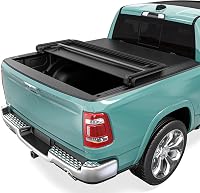
The MOSTPLUS fiberglass covers below show what a good fiberglass build looks like in practice.


What is the quick verdict on ABS vs fiberglass tonneau covers?
Fiberglass wins for most buyers who want a durable, painted top; ABS wins when weight and budget matter most. The call comes down to how hard you work the bed and what finish you want.
Fiberglass covers are heavier and cost more, but they carry more weight on top and take paint cleanly. ABS covers are lighter and cheaper, and they often come in a textured black finish that hides small scuffs.
If you haul tools daily or park outside in freezing winters, fiberglass is the safer long-term buy. If you mostly carry groceries and want a cover you can lift alone, ABS is the practical pick.
One detail tips the scale for many shoppers: the build under the skin. The MOSTPLUS covers use a fiberglass skin over a PP honeycomb core, rated at over 30HBa hardness with UV protection and over 350 lb of load bearing.
That stiff skin and cored center keep the top flat in the sun and under gear.
ABS vs fiberglass: how do the two materials compare side by side?
The two materials differ most in weight, strength, finish and repair, not in basic function. Both keep rain out and both fold open for bed access when built well.
| Point | ABS | Fiberglass |
|---|---|---|
| Weight | Lighter, often one-person removable | Heavier, may need two people |
| Strength | Flexes under load | Stiffer, higher load rating |
| Finish | Textured black, hard to repaint | Smooth, takes paint and color match |
| Cold weather | Can turn brittle and crack | Holds up better in cold |
| Repair | Panel often replaced | Cracks fill and repaint |
| Cost | Lower | Higher |
Check the load rating and warranty on the exact cover, since a well-built ABS model can beat a cheap fiberglass one on some points. Many ABS covers hide small scratches well, so they suit a truck that works in town.
Lighter panels also put less strain on hinges and clamps when you fold often. Fiberglass, by contrast, sits flatter against the bed rails, which helps the weather stripping seal.
Which cover carries more weight on top?
Fiberglass carries more weight on top, and the MOSTPLUS fiberglass covers here both rate 350 lb. ABS covers flex more under the same load, so check the rating before you stack anything heavy.
Both MOSTPLUS models list a 350 lb maximum. That is enough for a few bags of feed or a cooler parked on the closed cover.
Don't treat any cover as a workbench or ladder platform. The rating describes evenly spread weight on the closed top, not a person standing in one spot.
If you regularly set heavy gear on the cover while you load the bed, fiberglass is the better base. An ABS top that flexes can crack at the hinge or clamp points.
A stiff fiberglass panel spreads that load across the whole top instead of concentrating it at the fold lines, where most hard covers fail first. The rating also hints at the frame and hinges: a cover built to hold 350 lb needs stiffer rails than a light ABS panel, and those parts keep it square after years of folding.
Which material handles weather and winter better?
Fiberglass handles cold and sun better over the long run; ABS can turn brittle and crack in hard freezes. Both resist water, but they age differently.
ABS is a plastic, and very cold air makes it less flexible. A dropped tool or a heavy bag on a frozen ABS panel can start a crack that grows with each fold.
Fiberglass keeps more of its stiffness in cold. The MOSTPLUS covers add UV protection and a PP honeycomb core, which MOSTPLUS says helps with heat dissipation and scratch resistance.
A cored panel sheds heat better than a solid sheet, so the top stays closer to the air temperature instead of soaking up sun and warping.
The leaning side cover design also helps water drain off the surface. That sloped edge keeps puddles from sitting on the cover and working at the seams.
How do the finishes compare, and can you color match?
Fiberglass takes paint and color matching well; ABS usually stays in a textured black finish. If you want the cover to look like the truck, fiberglass is the clear choice.
A smooth fiberglass top can be painted to match your truck's factory color. That is why many painted hard covers use fiberglass as the base.
ABS covers are mostly sold in black, and repainting a textured surface is hard to do cleanly. The texture hides scuffs, which helps, but it won't match a bright paint job.
Both finishes wipe down with soap and water. Avoid abrasive pads on either one, since they dull the surface and make future repairs harder.
On fiberglass, a dulled spot also takes paint worse, so keep the washing gentle if you plan to color match later.
Which cover is easier to install and remove?
Both materials install with clamps and no drilling on the MOSTPLUS models, but ABS is lighter to lift off. Fiberglass covers may need two people when you remove the whole unit.
Both MOSTPLUS models use US patent design clamps with no drilling and no further modification. Weather stripping and an installation manual come in the box.
The insert-clamp design lets you adjust the fit without tools once the rails are set.
Lighter ABS covers are easier for one person to fold and lift. Fiberglass covers weigh more, so plan for a helper when you take the cover off for a full bed load.
If you swap the cover on and off often, weight matters as much as material. Our comparison of Tyger vs Gator tonneau covers looks at how different hard and soft builds handle day-to-day removal.
A no-drill clamp also leaves no holes behind, so you can change your mind later without patching the bed.
Which is easier to repair after damage?
Fiberglass is easier to repair, because cracks and chips can be filled and repainted; ABS damage often means a new panel. A repair-friendly cover lasts longer on a work truck.
A fiberglass top can be sanded, filled and repainted to hide a crack or a deep scratch. Because the surface is smooth and takes paint, a good repair can be nearly invisible.
ABS damage is harder to fix cleanly. A crack in a textured plastic panel usually shows after any repair, and a broken hinge or corner can mean replacing the whole cover.
If you carry lumber, tools or anything that might knock the cover, fiberglass pays for itself over a few winters. For light use on a clean truck, ABS is fine.
The 1 Year Warranty on both MOSTPLUS covers gives you a window to catch a defect early, so inspect the top and the clamps as soon as the cover is on.
Which cover suits your truck and your budget?
Pick fiberglass for a truck that works hard and stays outside; pick ABS for light use on a tight budget. Your bed length and how often you load decide more than the material alone.
Fiberglass costs more up front. That higher price buys a stiffer top, a paint-ready finish and better cold-weather behavior.
ABS costs less and is easier to handle. If you plan to add a toolbox under the cover, check that the cover type leaves room for it.
Our guide to a tonneau cover with toolbox explains which covers fit around a cross-bed box. Some owners want the cover to double as a secure, weather-tight roof for the bed.
If that is your goal, compare a cover against a full camper shell before you buy.
Budget is not just the purchase price. A cover that needs replacing after a cold snap costs more over five years than one that takes a repair.
Weigh the material against how long you plan to keep the truck.
Which MOSTPLUS fiberglass cover fits your truck?
Both MOSTPLUS covers here are fiberglass tri-folds with no-drill clamps, but they fit different trucks. Pick by bed length first, then by the extra features you want.
The 5.5FT model fits the 2015 to 2026 Ford F-150 short bed in the 5.5 ft feet styleside. The Ridgeline model fits the 2017 to 2026 Honda Ridgeline 5 ft bed and adds a built-in light.
Both carry the same fiberglass and PP honeycomb build and the same 350 lb rating. Measure your bed before ordering.
The F-150 model won't fit a longer bed or a different truck, and the Ridgeline model is built for the 5 ft bed only.
When the built-in light earns its keep
The Ridgeline cover includes one built-in light, which matters if you load the bed after dark. A cover with a light built in saves you from clipping a flashlight to the rail.
The F-150 cover does not include a built-in light, so factor that in if night loading is part of your routine. Otherwise the two differ mainly in the truck they fit, since material, fold style and load rating are the same.
Who should buy ABS, and who should buy fiberglass?
Buy ABS if you want a light, low-cost cover for light loads; buy fiberglass if you want a painted, strong top for daily work. The choice is really about how you use the bed.
Buy ABS if you mostly carry groceries and weekend gear, want a cover you can lift alone, and keep the truck in a garage. It costs less and does the basic job of keeping rain and prying eyes out.
Buy fiberglass if you haul tools, park outside, live where winters freeze hard, or want the cover to match the truck's paint. It carries more weight and lasts longer between repairs.
The tailgate lock type on both MOSTPLUS covers means the cover works with the tailgate latch rather than a separate key, so security depends on locking the tailgate itself.
If you are still weighing a soft cover against a hard one, our soft vs hard tonneau cover comparison covers that first decision before you pick a material. Soft covers are lighter and cheaper still, but they give up the stiffness and load rating that make a hard cover useful for gear on top.
What is the final verdict on ABS vs fiberglass tonneau covers?
For most truck owners, fiberglass is the better buy. The verdict favors fiberglass for its strength, painted finish and cold-weather durability.
ABS still makes sense for a light-use truck on a budget. It is lighter, cheaper and easy to live with if you rarely load the bed or stack anything on the cover.
If you drive an F-150 short bed or a Ridgeline and want a fiberglass tri-fold, the MOSTPLUS covers above are the ones we compared here. Measure your bed first, then pick the model that matches it.
A 350 lb top with no-drill clamps and a 1 Year Warranty is a solid place to start, and the finish you choose is the part you will notice every day.
Frequently asked questions
Is an ABS tonneau cover as strong as fiberglass?
Fiberglass tops carry more weight and resist dents better in most truck covers. ABS is lighter and costs less, but it flexes more and shows scratches on textured surfaces.
Compare the load rating and warranty on the exact model before you choose.
Which tonneau cover is lighter, ABS or fiberglass?
ABS covers are lighter, so one person can often fold and remove them without help. Fiberglass covers weigh more and may need two people for installation.
Lighter panels are easier to lift but can feel less solid on the highway.
Can you paint a fiberglass tonneau cover?
Yes. Fiberglass takes paint well and can be color-matched to your truck, which is why many painted covers use it.
ABS usually comes in a textured black finish and is harder to repaint cleanly.
Check the maker's paint guidance before ordering.
Do ABS tonneau covers crack in cold weather?
ABS can become brittle in very cold weather, and cracks are harder to repair than fiberglass. Fiberglass holds up better in cold and can be patched with resin.
Park in a garage and avoid dropping heavy loads on either cover in freezing temperatures.
Which tonneau cover is easier to repair?
Fiberglass is easier to repair because cracks and chips can be filled and repainted. ABS damage often means replacing the panel or the whole cover.
For a work truck that takes knocks, fiberglass usually lasts longer between fixes.
Is fiberglass worth the extra cost over ABS?
Fiberglass is worth it if you want a painted finish, a higher load rating and better cold-weather durability. ABS makes more sense for a light-use truck on a tight budget.
Match the material to how hard you work the bed.